
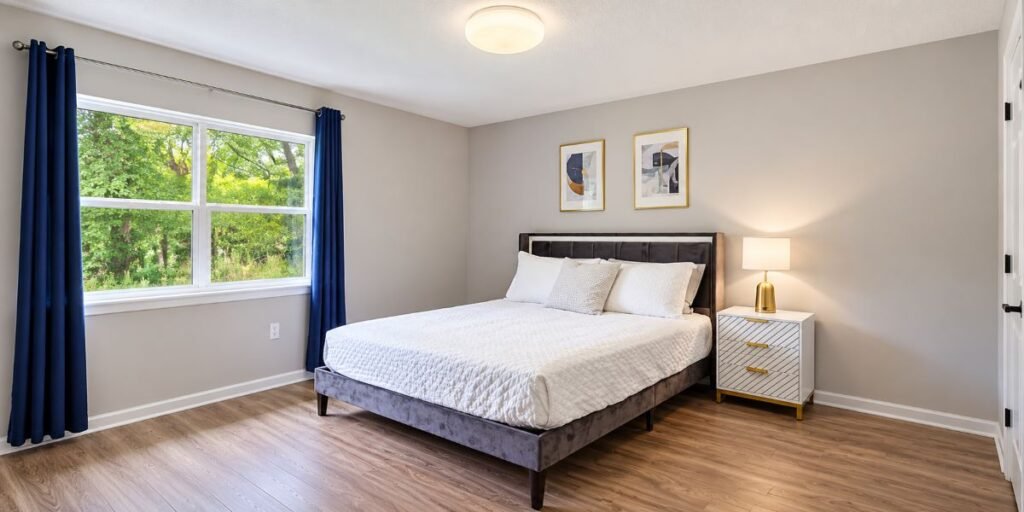
Short-Term Rentals vs. Furnished Apartments: Which Is Better for Your Stay?
Choosing between short-term rentals and furnished apartments depends on your length of stay, budget, daily routine, and accommodation needs. A property that works well for a weekend visit may become inconvenient during a two-month work assignment, while a monthly rental may involve unnecessary commitments for someone staying only a few nights.
Both options can provide a place to live temporarily, but they are not always designed for the same purpose. Short-term rentals often accommodate travelers with specific arrival and departure dates, while furnished apartments can offer a more residential setup for people who need somewhere comfortable to live for several weeks or months.
The best choice depends on the complete arrangement, including the total cost, available amenities, rental flexibility, location, and support provided during the stay. Understanding these differences can help business travelers, relocating professionals, families, and temporary workers find accommodation that suits their circumstances.
What Is the Difference Between Short-Term Rentals and Furnished Apartments?
A short-term rental is accommodation available for a limited period, often a few nights or several weeks. It may be an apartment, private home, guest suite, or another type of residential property. These rentals commonly serve vacationers, visitors attending events, and business travelers who need temporary accommodation for a defined period.
A furnished apartment is a residential unit equipped with furniture and, depending on the property, essential household appliances and other amenities. It allows occupants to move in without purchasing or transporting major furniture. Rental periods vary, with some providers offering weekly arrangements and others specializing in monthly stays.
The categories overlap. A short-term rental can be a fully furnished apartment, and a furnished apartment may be available for a relatively brief stay. The more useful distinction is how the accommodation is priced, what it includes, and whether its rental terms support your intended length of stay.
For example, someone attending a three-day conference in Las Vegas might prioritize a convenient location and straightforward check-in. A consultant working in the same city for ten weeks may need a kitchen, reliable internet, laundry facilities, storage, and a predictable monthly housing budget.
Understanding your priorities before comparing listings makes it easier to identify the right type of accommodation.
Short-Term Rentals vs. Furnished Apartments: Key Differences
The following comparison highlights common characteristics. Actual features and terms vary by property, provider, and location.
| Feature | Short-Term Rentals | Furnished Apartments |
| Typical stay | A few nights to several weeks, sometimes longer | Often several weeks to months, depending on the provider |
| Pricing | Frequently priced per night | May be quoted weekly or monthly |
| Furniture | Usually furnished, with varying levels of equipment | Furnished for residential use |
| Kitchen | May range from a kitchenette to a full kitchen | Often includes a kitchen or kitchenette |
| Laundry | May be in-unit, shared, or unavailable | In-unit or shared facilities may be available |
| Work setup | Depends on layout, internet, and workspace | May better accommodate regular work routines |
| Rental flexibility | Often suitable for short, fixed-date visits | May offer monthly terms or extension options |
| Common uses | Holidays, events, brief visits, short business trips | Relocation, temporary assignments, and extended stays |
Neither option automatically provides better value. A short-term rental with a competitive nightly rate may become expensive over several weeks, while a furnished apartment with a long minimum-stay requirement may be unsuitable for a brief visit.
The important step is to compare properties with similar dates, occupancy, facilities, and payment terms.
1. Compare the Total Cost of Your Stay
Price is often the first consideration when comparing short-term rentals and furnished apartments. However, the advertised rate rarely tells the whole story.
A short-term rental may charge a nightly rate plus cleaning fees, booking charges, taxes, or other applicable costs. These additional expenses can make a meaningful difference when you extend a booking beyond a few nights.
Furnished apartments may be advertised with weekly or monthly pricing. Some arrangements include utilities and internet, while others bill these services separately. You should also check whether the quote includes cleaning, parking, maintenance, and other property-related expenses.
Consider a professional who needs accommodation for 45 nights. Comparing the nightly rate of a short-term rental with the monthly quote for a furnished apartment may reveal a difference in the total cost. However, the result depends on the actual rates, fees, minimum-stay requirements, and included services. There is no universal rule that one option will always be cheaper.
Before booking, request an itemized estimate that covers:
- Base rent for the entire expected stay.
- Cleaning, booking, and service fees.
- Electricity, water, gas, and internet.
- Parking or other mandatory property charges.
- Taxes, deposits, and administrative fees, where applicable.
- Extension costs if your departure date changes.
- Cancellation penalties and early-departure terms.
Compare the final cost for the same dates and number of occupants. If one property includes utilities and another does not, account for those differences before deciding.
It is also worth considering the cost of convenience. A furnished apartment may reduce the need to buy furniture, arrange household essentials, or establish separate utility accounts. For a temporary stay, avoiding those arrangements can be valuable even when the headline rent is not the lowest.
2. Match the Rental Type to Your Length of Stay
The duration of your visit is one of the clearest ways to narrow your options.
For a few nights or a brief visit
A short-term rental can be practical when your travel dates are fixed and you need accommodation for a limited period. You may not need extensive storage, a dedicated workspace, or a fully equipped kitchen.
This can suit vacationers, people visiting family, conference attendees, and professionals traveling for short meetings. In these situations, location, check-in convenience, and proximity to planned activities may matter more than residential features.
Before booking, confirm the exact check-in procedure, departure time, luggage arrangements, and whether facilities such as parking or laundry are available.
For several weeks or months
A furnished apartment may be more suitable when accommodation needs to support your everyday routine. Cooking meals, doing laundry, working remotely, and storing personal belongings become more important as a stay gets longer.
This can be especially relevant for employees relocating to a new city, consultants on temporary assignments, healthcare professionals on placements, and families waiting to move into a permanent home.
If you expect to stay for 30 nights or longer, explore furnished apartments from iZeal Stay. iZeal Stay focuses on furnished housing for extended stays, with availability, property features, and rental terms depending on the specific requirement.
If your plans are uncertain, ask whether the booking can be extended, how much notice is required, and whether an extension would use the original rate or a new price.
3. Evaluate the Amenities You Will Actually Use
Photographs can help you assess a property, but they do not always show whether it will be practical for everyday living. Before choosing between a short-term rental and a furnished apartment, consider the facilities you will rely on throughout your stay.
Kitchen and meal preparation
If you expect to cook regularly, check whether the property has a full kitchen or a kitchenette. Confirm the availability of a refrigerator, cooking appliances, cookware, and adequate preparation space.
A compact kitchen may be sufficient for a few nights, but a household staying for several months may need more room for groceries and meal preparation.
Laundry facilities
Laundry access becomes particularly useful during longer stays. Ask whether the property has a washer and dryer inside the unit, shared laundry facilities, or no on-site laundry.
The arrangement can affect both convenience and your overall budget, particularly for families and employees staying away from home for extended periods.
Internet and workspace
Business travelers and remote workers should verify internet availability and whether the property provides a suitable place to work. A dining table might be adequate for occasional laptop use, but a dedicated workspace may be preferable for someone attending video meetings throughout the day.
If internet reliability is essential, ask what service is available rather than assuming it will meet your requirements.
Storage, privacy, and sleeping arrangements
Consider closet space, bedroom configuration, bathroom access, and the separation between living and sleeping areas. These details matter when a family needs room for normal routines or colleagues are sharing accommodation.
Confirm occupancy limits and whether the layout provides the privacy each person needs.
Maintenance and guest support
Ask how to report maintenance problems, who is responsible for resolving them, and what support is available outside normal business hours.
A clear process can be particularly important when the property will serve as your home for several weeks or months.
4. Choose Accommodation for Your Specific Situation
The best housing arrangement depends on why you need a temporary place to stay. Business travelers, project teams, and families between homes often have different priorities.
Business travel and employee relocation
A short business trip may require little more than a convenient location and a comfortable place to sleep. A relocation lasting several months usually creates additional needs, including workspace, cooking facilities, storage, and a manageable commute.
Corporate housing is worth considering when a company or professional needs furnished accommodation for an extended work assignment.
Compare the distance to the workplace, parking arrangements, bedroom setup, internet access, and total cost for the assignment period. Employers should also confirm billing arrangements and extension policies before making a booking.
Construction projects and temporary work teams
Employees working on construction, installation, infrastructure, or other temporary projects may need accommodation close to a worksite. The arrangement should reflect the number of workers, project duration, shift schedules, and individual sleeping requirements.
Workforce housing may be suitable when an employer needs temporary accommodation for employees or project teams.
Before confirming a property, verify occupancy limits, the number of bedrooms, parking availability, travel time to the site, and the process for changing arrival or departure dates. These details help prevent an accommodation arrangement from becoming difficult to manage when project schedules change.
Families waiting for permanent housing
Families may need temporary accommodation while moving between homes, waiting for a property purchase to close, or completing repairs to their current residence.
In these circumstances, separate bedrooms, kitchen access, laundry, storage, and proximity to work or school may matter more than holiday-style amenities.
If a home is temporarily uninhabitable because of a covered incident, insurance housing may also be relevant. Coverage and reimbursement depend on the individual policy and claims process, so confirm eligibility, approved expenses, and payment arrangements with the insurer before assuming a particular property will be covered.
5. Consider Location, Transportation, and Daily Convenience
A property with a lower rental price may not be the best value if it creates a long commute or makes everyday errands difficult.
For example, a contractor working outside a city center may benefit more from parking and convenient access to a jobsite than from staying near tourist attractions. A professional relocating to Las Vegas might prioritize access to the office and essential services, while a family may focus on grocery stores, medical facilities, schools, and suitable transportation.
Evaluate the location based on your actual routine rather than the neighborhood name alone.
Before making a decision, check:
- Commute time: Estimate travel time to work, school, or other regular destinations.
- Transportation: Confirm parking availability and access to public transportation, where needed.
- Essential services: Consider grocery stores, pharmacies, medical facilities, and other everyday necessities.
- Noise and surroundings: Ask about the property’s setting if quiet is important for sleep or remote work.
- Local rental requirements: Check applicable property rules, taxes, and booking conditions for the destination.
These factors are particularly important when comparing accommodation in different U.S. cities. Availability, pricing, and rental requirements can vary by market, so verify the terms for the specific property and location.
6. Review Rental Terms Before You Commit
The right property can still be a poor choice if the agreement does not match your plans. Read the rental terms carefully before paying a deposit or confirming a reservation.
Pay particular attention to the minimum stay, cancellation policy, payment schedule, deposit conditions, and rules for extending or ending the booking early.
You should also confirm which utilities and services are included, whether cleaning is provided during the stay, and how maintenance requests are handled. If you are traveling with children, additional occupants, or pets, make sure the property permits your intended arrangement.
For stays lasting several weeks or months, ask what happens if your assignment ends early or your permanent home becomes available sooner than expected. A lower monthly rate may not provide good value if leaving early results in substantial additional costs.
Request written confirmation of any important arrangements, including amenities that are essential to your stay. This gives you a clear basis for comparing properties and reduces the chance of misunderstandings after arrival.
When Is Extended-Stay Housing the Better Option?
For some travelers, the real choice is between accommodation designed for occasional visits and a residential setup intended to support daily life over a longer period.
Extended-stay housing can be useful when a hotel feels restrictive, a conventional apartment lease is too long, or purchasing furniture for a temporary home would create unnecessary expense and effort.
A furnished residential property may provide room to cook, relax, work, and store personal belongings without requiring you to establish a permanent household. Whether it is the right option depends on the specific property’s amenities, rental terms, and total cost.
iZeal Stay offers extended-stay housing for stays of 30 nights or longer, with available properties and terms varying by location and individual requirements. This may be relevant to professionals on assignment, people relocating, and households that need temporary accommodation while their circumstances change.
Before booking, compare the available property with your actual requirements. Confirm the included facilities, monthly cost, minimum stay, and extension policy rather than assuming all extended-stay arrangements offer the same features.
How to Decide Between Short-Term Rentals and Furnished Apartments
Use these practical steps to make a more informed decision:
- Define your dates. Establish how long you expect to stay and whether your departure date could change.
- Set your budget. Calculate the complete cost, including rent, fees, utilities, parking, and deposits.
- Identify essential amenities. List requirements such as a kitchen, laundry, workspace, separate bedrooms, or pet permission.
- Compare suitable locations. Consider your commute, transportation needs, and access to everyday services.
- Check the agreement. Review cancellation terms, minimum stays, payment requirements, and extension options.
- Request written quotes. Compare properties for the same dates and occupancy, making sure you understand what each price includes.
These steps help you avoid choosing accommodation based on a headline rate that does not reflect the real cost or convenience of your stay.
Conclusion
The choice between short-term rentals and furnished apartments depends on the duration, purpose, and practical demands of your stay. Short-term rentals can work well for brief visits with fixed dates, while furnished apartments may be more suitable when you need a comfortable residential setup for several weeks or months.
Neither option is automatically cheaper or better. The right choice is the one that supports your daily routine, fits your budget, and offers rental terms that match your schedule.
If you need accommodation for 30 nights or longer, comparing furnished apartments, corporate housing, workforce housing, and other iZeal Stay accommodation options can help you explore arrangements suited to your location and circumstances. Review the full cost, verify the amenities, and confirm the rental terms before making your final decision.