
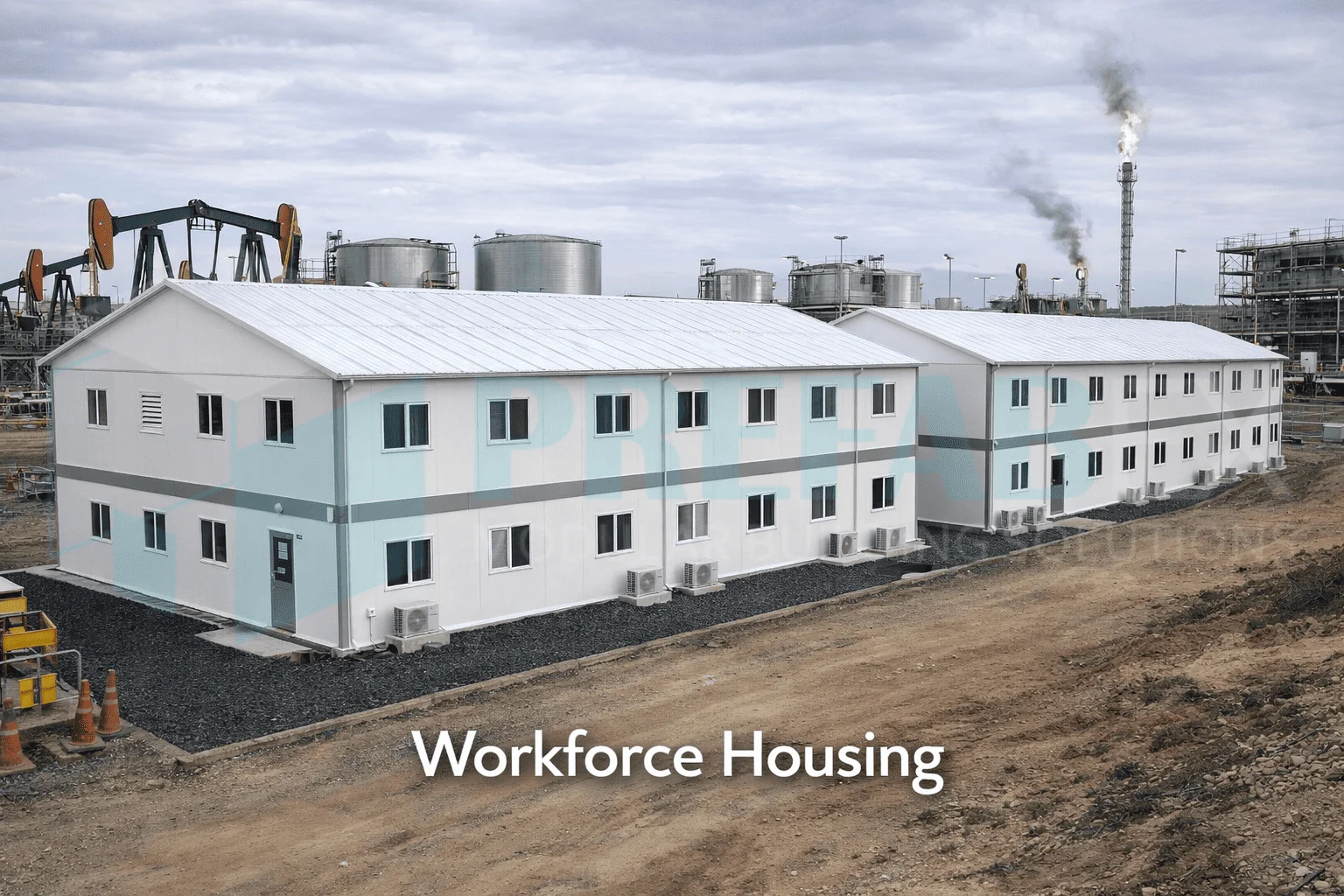
How to Find Reliable Workforce Housing Near Job Sites
In industries where projects move quickly and teams travel frequently, finding reliable workforce housing near job sites has become a critical part of project planning. Construction crews, infrastructure teams, energy workers, and other project-based professionals often need temporary accommodations that allow them to stay close to where the work happens.
When workers are housed far away from job sites, productivity can suffer. Long commutes lead to fatigue, scheduling delays, and reduced morale. On the other hand, well-planned workforce housing helps employees stay focused, arrive on time, and maintain a better work-life balance during demanding projects.
Workforce housing is not simply about providing a place to sleep. It plays an important role in supporting worker well-being, maintaining operational efficiency, and keeping projects on schedule. Companies that prioritize reliable housing for their teams often see improvements in performance, communication, and overall project outcomes.
This guide explains how businesses, project managers, and coordinators can find dependable workforce housing near job sites while ensuring comfort, convenience, and practicality for their teams.
Understanding Workforce Housing
What Workforce Housing Means in Project-Based Industries
Workforce housing refers to temporary or semi-temporary accommodations designed specifically for workers assigned to projects away from their home locations. These housing solutions are commonly used in industries where projects require teams to stay on-site or nearby for weeks or months at a time.
Industries that frequently rely on workforce housing include:
- Construction and infrastructure development
- Energy and utility projects
- Manufacturing installations
- Industrial maintenance
- Transportation and logistics operations
Unlike traditional travel accommodations, workforce housing is built around the needs of groups of workers rather than individual travelers.
How Workforce Housing Differs from Traditional Short-Term Accommodation
Traditional short-term accommodations are typically designed for tourists or individual travelers. Workforce housing, however, focuses on practicality and functionality.
Key differences include:
- Larger living spaces designed for teams
- Furnished environments suitable for longer stays
- Access to essential amenities like kitchens and laundry
- Proximity to industrial or construction areas
Because of these differences, workforce housing often supports longer project timelines and more demanding schedules.
Why Proximity to Job Sites Is Important
One of the biggest advantages of workforce housing is its location near job sites. Shorter commute times can significantly improve daily operations.
Benefits of nearby housing include:
- Reduced travel fatigue for workers
- Faster response times for urgent project needs
- More efficient work schedules
- Improved worker satisfaction and morale
For many companies, choosing housing close to the project location is one of the most important decisions in workforce planning.
The Challenges of Finding Housing Near Job Sites
While the benefits of workforce housing are clear, finding reliable accommodations near job sites can be challenging.
Limited Availability in Remote Areas
Many industrial projects take place in areas that are not densely populated. Remote regions may have limited residential infrastructure, making it difficult to secure enough housing for large teams.
Inconsistent Housing Quality
Not every housing option meets the standards required for workforce accommodation. Some locations may lack proper maintenance, adequate living space, or essential amenities.
Transportation and Accessibility Issues
Even when housing is available, transportation routes to the job site may be complicated. Poor accessibility can add unnecessary travel time to workers’ daily routines.
Managing Housing for Large Teams
Coordinating accommodations for multiple workers requires careful organization. Teams must be housed in locations that support collaboration while maintaining comfort and privacy.
Recognizing these challenges early allows companies to develop a better strategy for securing dependable housing.
Key Factors to Consider When Searching for Workforce Housing
Finding the right housing option requires evaluating several important factors.
Location and Commute Time
Location is one of the most important considerations. Housing should ideally be within a reasonable distance of the job site to minimize commuting challenges.
Factors to evaluate include:
- Travel time during peak traffic hours
- Accessibility to main roads or highways
- Transportation availability for workers
Reducing commute time helps workers maintain energy and focus throughout the project.
Safety and Security
Worker safety should always be a priority. Housing should be located in safe environments with secure access and well-maintained facilities.
Important safety considerations include:
- Adequate lighting around the property
- Secure entry points
- Safe parking areas for work vehicles
Providing a secure environment ensures workers feel comfortable and supported during their stay.
Comfort and Living Space
Workforce housing must offer enough space for workers to relax and recover after long workdays.
Key elements of comfortable housing include:
- Spacious bedrooms
- Functional common areas
- Comfortable furniture and furnishings
Providing a comfortable living environment contributes to worker satisfaction and overall well-being.
Reliable Utilities and Infrastructure
Reliable utilities are essential for long-term stays. Workers need dependable infrastructure that supports daily routines.
Important utilities include:
- Consistent electricity and water supply
- Stable internet connectivity
- Laundry facilities
- Parking availability
These amenities help workers maintain normal living routines while away from home.
Where to Start Your Workforce Housing Search
Finding the right housing option often requires exploring multiple sources.
Local Housing Providers
Local property managers and housing specialists often understand the needs of project-based workers. They may have properties designed for temporary workforce accommodations.
Working with local providers can help companies identify housing options that are both practical and conveniently located.
Regional Housing Networks
Some areas develop housing networks to support nearby industrial projects. These networks may include apartment communities, shared housing properties, and other accommodations suitable for workers.
Industry Referrals
Recommendations from contractors, project managers, or colleagues can be extremely valuable. Professionals who have previously worked in the same region often know which housing options are reliable.
Local Community Resources
In some locations, local communities actively support workforce housing initiatives. These communities may have established systems to accommodate workers during large projects.
Exploring these resources can reveal housing opportunities that might not be widely advertised.
How to Evaluate Housing Options Effectively
Once potential housing options are identified, careful evaluation is essential.
Inspect Living Conditions
A thorough inspection of the property helps ensure it meets basic standards of cleanliness and maintenance.
Key areas to review include:
- General property condition
- Cleanliness of living spaces
- Maintenance of appliances and utilities
Well-maintained housing creates a more comfortable environment for workers.
Check Capacity and Layout
Housing should comfortably accommodate the number of workers assigned to the project.
Important layout considerations include:
- Adequate bedroom space
- Functional shared living areas
- Enough bathrooms for the group size
A well-designed layout prevents overcrowding and supports a better living experience.
Evaluate Accessibility to the Job Site
Travel routes should be assessed to determine how easily workers can reach the job site each day.
Consider factors such as:
- Traffic patterns
- Road conditions
- Availability of parking near the job site
Efficient transportation routes contribute to smoother daily operations.
Assess Long-Term Livability
If the project lasts several weeks or months, the housing must remain comfortable over an extended period.
Long-term livability depends on:
- Quiet surroundings for rest
- Adequate storage space
- Access to essential services
These factors help workers maintain a stable routine during the project.
Important Amenities That Support Workforce Productivity
Providing the right amenities can significantly improve the workforce housing experience.
Essential Amenities
Basic amenities help workers manage daily tasks and maintain independence.
These include:
- Fully furnished living spaces
- Functional kitchens for meal preparation
- Laundry facilities
These features allow workers to live comfortably without relying on external services.
Work-Friendly Features
Workers often need environments that allow them to rest properly between shifts.
Helpful features include:
- Quiet sleeping areas
- Comfortable seating and relaxation spaces
- Reliable internet access for communication
These features help workers recharge and stay connected.
Transportation and Parking
Many workers travel to job sites using company vehicles or shared transportation.
Housing should provide:
- Convenient parking areas
- Easy access for larger vehicles
- Simple routes to nearby job sites
These logistical considerations help reduce daily travel complications.
Planning Workforce Housing for Large Projects
Large projects require a more strategic approach to workforce housing.
Early Planning and Coordination
Securing housing early in the project planning phase can prevent last-minute challenges.
Early planning allows companies to:
- Reserve enough space for the entire workforce
- Coordinate housing locations with project timelines
- Avoid shortages in high-demand areas
Managing Housing for Multiple Teams
When multiple teams are involved, organizing workers efficiently becomes essential.
Housing strategies may include:
- Grouping workers by team or shift schedules
- Assigning housing locations based on job responsibilities
- Ensuring supervisors are accessible to their teams
These strategies improve coordination and communication.
Adjusting for Project Timeline Changes
Construction and industrial projects often experience schedule changes. Housing arrangements should be flexible enough to accommodate extensions or adjustments.
Planning for flexibility helps avoid disruptions when timelines shift.
Common Mistakes to Avoid When Choosing Workforce Housing
Companies sometimes encounter housing issues due to avoidable mistakes.
Waiting Too Long to Secure Housing
Delaying the housing search can result in limited options, especially during busy construction seasons.
Ignoring Worker Comfort
Housing that lacks comfort or proper amenities can lead to dissatisfaction and reduced morale.
Overlooking Transportation Logistics
Even good housing options can become problematic if transportation to the job site is difficult.
Focusing Only on Availability
Choosing the first available option without evaluating quality can create long-term challenges for the workforce.
Avoiding these mistakes helps companies secure better accommodations for their teams.
Best Practices for Securing Reliable Workforce Housing
Organizations that consistently secure reliable housing often follow several best practices.
Work With Experienced Housing Coordinators
Housing professionals familiar with workforce needs can simplify the process of identifying suitable accommodations.
Prioritize Proximity and Convenience
Housing located close to job sites improves efficiency and reduces travel stress for workers.
Consider Team Dynamics
Shared housing arrangements should take team dynamics into account to maintain a positive living environment.
Establish Clear Housing Standards
Setting clear standards for cleanliness, safety, and amenities ensures consistency across all accommodations.
For companies looking to better understand workforce housing strategies and project-based accommodation planning, resources like Izeal Stay can provide helpful insights and guidance.
The Long-Term Benefits of Reliable Workforce Housing
Reliable workforce housing offers several long-term advantages for organizations and their teams.
Higher Worker Satisfaction
Comfortable housing improves morale and helps workers stay motivated throughout demanding projects.
Improved Project Efficiency
Shorter commutes and better living conditions allow workers to focus more on their responsibilities.
Reduced Scheduling Delays
When teams are housed near job sites, unexpected travel delays are less likely to impact daily operations.
Stronger Workforce Retention
Workers who feel supported by their employers are more likely to remain with the company for future projects.
Conclusion
Finding reliable workforce housing near job sites is a crucial step in ensuring the success of project-based operations. Housing solutions that prioritize location, comfort, safety, and functionality can significantly improve worker satisfaction and productivity.
By planning early, evaluating housing options carefully, and focusing on the needs of the workforce, companies can create accommodations that support both employees and project goals. Reliable housing not only helps workers perform at their best but also strengthens the overall efficiency and success of the project.