
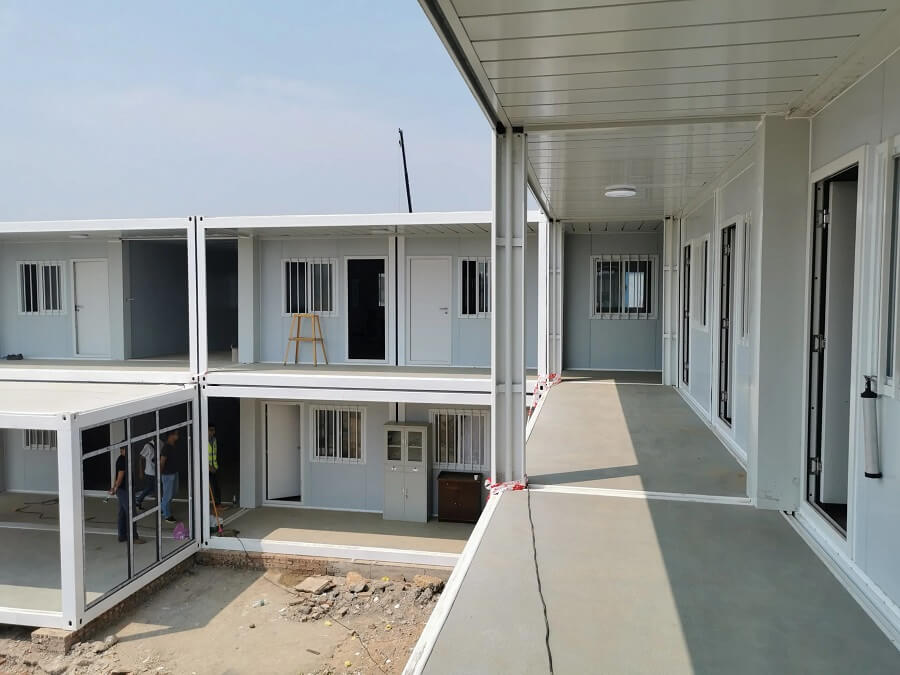
Temporary Housing in Mississippi for Construction Crews
Construction projects rarely stay in one place for long. From infrastructure development and industrial expansion to residential and commercial building projects, construction crews often move from one location to another depending on project demands. Because of this mobility, one of the biggest logistical challenges companies face is finding reliable temporary housing for their workforce.
Mississippi has experienced consistent development across several sectors, including transportation infrastructure, manufacturing facilities, and community expansion projects. As new construction sites emerge across different regions, many companies bring in skilled workers from outside the immediate area. These crews require comfortable and practical accommodations that allow them to focus on their work without worrying about housing complications.
Temporary housing plays an important role in ensuring construction workers have a safe, convenient, and comfortable place to stay during the course of a project. When housing is organized properly, crews can maintain productivity, reduce commute stress, and remain focused on project deadlines.
This guide explores the importance of temporary housing for construction crews working in Mississippi, the types of housing options available, and the key factors companies should consider when arranging accommodations for their workforce.
Understanding Temporary Housing for Construction Crews
Temporary housing refers to short-term accommodation arranged for workers who need to live near a project site for a limited period. In the construction industry, this type of housing is commonly used for crews assigned to projects that last several weeks or months.
Unlike traditional rental arrangements, temporary workforce housing is designed to support the practical needs of working professionals. These accommodations are often fully furnished and include essential amenities that allow workers to settle in quickly without the need to purchase household items or sign long-term contracts.
Construction companies prefer temporary housing solutions because they provide flexibility. Projects can expand or shift locations, and housing arrangements must be able to adapt to these changes. Workers also benefit from housing that allows them to rest properly after long shifts, prepare meals, and maintain a comfortable daily routine.
Temporary housing helps bridge the gap between long-term relocation and short hotel stays, offering a practical living environment tailored for workforce mobility.
Why Construction Projects in Mississippi Require Flexible Housing
Mississippi’s construction sector includes a variety of projects ranging from highway improvements and energy facilities to commercial developments and residential communities. Many of these projects take place outside major urban centers, which means the local labor pool may not always meet the demand for specialized skills.
As a result, construction companies often bring in workers from other states or regions. These workers require housing close to the job site so they can begin work immediately without facing long commutes.
Flexible housing solutions are essential because construction schedules can change quickly. Delays due to weather, material availability, or project modifications can extend timelines. Housing arrangements must be able to accommodate these changes without creating additional stress for workers or managers.
Another factor contributing to the need for flexible housing is the seasonal nature of some construction activities. During peak construction periods, workforce demand increases significantly, which places additional pressure on local housing availability. Temporary housing solutions allow companies to respond quickly to these fluctuations while maintaining efficient operations.
Types of Temporary Housing Options for Construction Workers
Construction crews can stay in several types of temporary housing depending on the size of the team, the duration of the project, and the location of the work site.
Furnished Apartments
Furnished apartments are one of the most common housing options for construction teams. These accommodations typically include essential furniture, kitchen appliances, and household items, allowing workers to move in without needing to purchase additional equipment.
Furnished apartments provide a comfortable and private environment where workers can relax after a long day. They are often ideal for smaller teams or supervisors who may require a quieter living arrangement.
Workforce Housing Units
Workforce housing units are designed specifically to support labor teams. These properties may offer multiple bedrooms, shared common areas, and amenities that support group living. They allow several crew members to stay together in a single location, which can simplify coordination and transportation.
For projects that last several months, workforce housing units provide a practical balance between comfort and convenience.
Short-Term Rental Homes
Short-term rental homes offer flexibility and space for small teams or project managers. These homes typically include full kitchens, living areas, and multiple bedrooms, making them suitable for crews that prefer a residential-style living environment.
The added space can make daily life more comfortable, especially for workers who spend extended periods away from home.
Modular or Temporary Housing Communities
For large infrastructure or industrial projects located in remote areas, modular housing communities may be established near the job site. These housing setups consist of temporary structures designed to accommodate a large number of workers.
Modular housing solutions help companies house entire crews close to the work location, reducing travel time and improving project efficiency.
Key Features Construction Crews Need in Temporary Housing
When selecting temporary housing for construction workers, certain features can significantly improve the living experience and support worker productivity.
One of the most important features is a fully furnished living space. Workers arriving from other locations need housing that is ready for immediate occupancy, including beds, seating, and kitchen essentials.
Reliable internet access is another critical component. Workers often rely on internet connectivity to communicate with family members, manage personal tasks, and stay informed about project updates.
Kitchens are also an important feature because they allow workers to prepare their own meals. Having access to a kitchen can help crews maintain a healthier routine and reduce the stress associated with daily meal planning.
Laundry facilities are essential for workers who spend long hours at construction sites. Access to washing machines and dryers helps workers keep their clothing clean and maintain a comfortable lifestyle during their stay.
Adequate parking is also necessary, particularly for crews who use work vehicles or transport equipment between locations. Housing that includes safe and convenient parking areas can simplify daily operations.
Finally, safety and security are key considerations. Workers need to feel comfortable and protected in their living environment so they can focus on their responsibilities at the job site.
Benefits of Temporary Housing for Construction Crews
Temporary housing provides several advantages for both construction companies and their workers.
Improved Worker Productivity
When crews live close to the job site, they spend less time commuting and more time resting between shifts. Reduced travel time helps workers maintain energy levels and remain focused on their tasks.
Better Team Coordination
Housing crews together can strengthen teamwork and communication. Workers who share living spaces often develop stronger professional relationships, which can improve collaboration on the job site.
Increased Worker Satisfaction
Comfortable accommodations can make a significant difference in worker morale. Construction projects often involve demanding schedules and physically intensive work. Having a comfortable place to relax at the end of the day helps workers recharge and maintain a positive outlook.
Greater Project Efficiency
When housing logistics are handled effectively, companies can avoid delays caused by workforce disruptions. Stable housing ensures workers arrive on time and remain committed to the project throughout its duration.
Important Factors to Consider When Choosing Temporary Housing
Selecting the right housing solution requires careful planning and attention to several key factors.
The distance between the housing location and the construction site is one of the most important considerations. Shorter commute times help workers conserve energy and reduce transportation challenges.
Housing capacity is another important factor. Companies must ensure the accommodation can comfortably support the size of the crew without overcrowding the space.
Project duration also plays a role in housing decisions. Short-term projects may require more flexible arrangements, while long-term assignments may benefit from housing that offers additional comfort and stability.
Safety should always be evaluated when selecting a housing location. Workers should feel secure in their environment, especially when they are staying in unfamiliar areas.
Access to essential services such as grocery stores, pharmacies, and medical facilities can also enhance the living experience for workers.
Challenges Construction Crews Face When Finding Housing
Despite the availability of temporary housing solutions, construction companies often encounter challenges when arranging accommodations for their crews.
One common challenge is limited housing availability in smaller cities or rural areas. Construction projects frequently take place outside large metropolitan regions, where housing options may be limited.
Another challenge occurs when multiple projects take place in the same region simultaneously. Increased demand for temporary housing can make it difficult to secure suitable accommodations for large teams.
Last-minute schedule changes can also complicate housing arrangements. Construction projects are subject to unexpected delays or timeline adjustments, which may require companies to extend or modify housing plans.
Additionally, not all housing options are designed to meet the needs of construction workers. Some accommodations may lack essential amenities or sufficient space for crew members.
Strategies for Securing Reliable Temporary Housing
Construction companies can reduce housing challenges by adopting proactive planning strategies.
One of the most effective strategies is arranging housing early in the project planning phase. Early preparation increases the likelihood of securing suitable accommodations before demand rises.
Another helpful approach is coordinating housing logistics alongside workforce scheduling. When project managers understand the timeline for crew arrivals and departures, they can arrange housing that aligns with the project schedule.
Flexibility is also important. Housing arrangements should allow adjustments in case project timelines change or crew sizes increase.
Companies should also evaluate housing properties carefully to ensure they provide essential amenities, safe environments, and convenient access to the job site.
The Role of Temporary Housing in Construction Project Success
Temporary housing is more than just a logistical necessity—it plays a crucial role in the overall success of construction projects.
When workers have reliable housing close to the job site, they can focus entirely on their responsibilities without worrying about daily travel or living conditions. This stability supports better job performance and reduces fatigue.
Housing solutions also influence workforce retention. Workers who feel comfortable in their living environment are more likely to remain committed to a project and perform at their best.
Additionally, well-organized housing logistics help construction companies maintain consistent schedules and avoid unnecessary disruptions.
Future Trends in Construction Workforce Housing
As construction projects continue to expand across various regions, the demand for workforce housing is expected to grow.
One trend shaping the future of temporary housing is the increased focus on worker comfort. Companies are recognizing that better living environments can improve productivity and employee satisfaction.
Technology is also becoming a part of workforce housing management. Digital platforms and planning tools can help companies coordinate housing arrangements more efficiently.
Another trend is the development of specialized housing designed specifically for construction teams. These accommodations are built with worker needs in mind, offering features that support long-term project assignments.
As infrastructure development continues, the role of temporary housing will remain essential in supporting construction crews and maintaining project efficiency.
Conclusion
Construction projects require careful coordination across many areas, and housing is one of the most important factors affecting workforce efficiency. Temporary housing provides a practical solution for crews working far from home, offering comfort, convenience, and stability during project assignments.
In Mississippi, where construction activity continues to expand across multiple sectors, the need for reliable workforce housing remains strong. By planning housing arrangements early, selecting accommodations that meet worker needs, and ensuring flexibility in housing logistics, construction companies can create a supportive environment for their teams.
Ultimately, the right temporary housing solution helps construction crews stay focused, maintain productivity, and successfully complete projects while working away from home.
If you’re looking for more insights about temporary housing in Mississippi for construction crews, helpful resources and detailed guides can make the process much easier. Many companies now rely on trusted online platforms to learn about workforce housing strategies, accommodation planning, and solutions that support construction teams during project assignments. Exploring reliable websites that share information about temporary workforce housing can help project managers make better decisions and ensure crews have comfortable living arrangements throughout the duration of their work.