
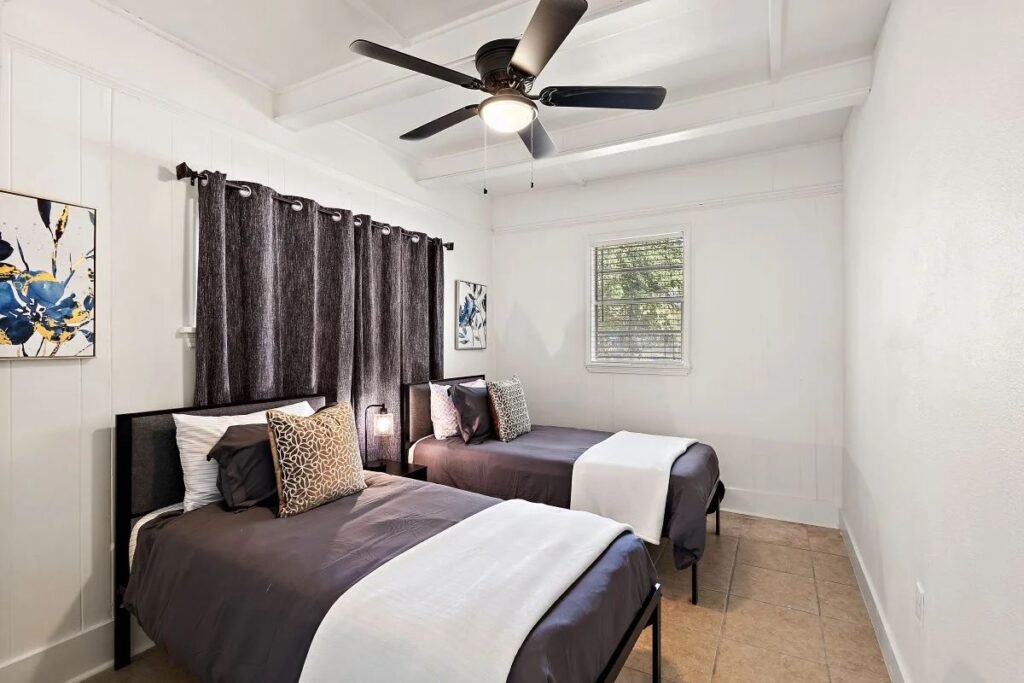
Finding suitable accommodation for an extended stay involves more than selecting a city and choosing a furnished apartment. The right housing arrangement must reflect why someone is travelling, how many people need accommodation, where they will be staying and what they need to maintain their daily routines.
For businesses, relocation coordinators and individuals arranging temporary accommodation, overlooking these details can lead to unnecessary expenses, inconvenient commuting arrangements or properties that do not meet residents’ expectations.
A furnished apartment may appear suitable based on its size and location, but it might not provide enough bedrooms for a travelling team. Similarly, a property close to a city centre may be impractical for employees working at a project site outside the main business district.
This is why matching housing requests to actual accommodation requirements is an important part of the extended-stay planning process.
iZeal Stay provides furnished homes and apartments for stays of 30 nights or longer, supporting corporate travel, employee relocation, workforce assignments, construction projects and other temporary housing needs.
Understanding how to prepare a housing request and which details matter can help individuals, employers and project coordinators identify more suitable accommodation options.
1. Understand the Purpose of the Extended Stay
Every housing request begins with a reason for travelling. Understanding that purpose helps establish what type of accommodation may be appropriate.
A professional relocating to another state may need temporary housing while searching for a permanent residence. An engineer working on a two-month assignment may require a furnished apartment close to a project location. A construction company sending several employees to a new site may need multiple bedrooms or separate furnished units.
Although all these situations involve temporary accommodation, their requirements are different.
Before considering individual properties, establish:
- Whether the stay is for business travel, relocation or a workforce assignment.
- How many individuals will require accommodation.
- Whether residents will stay independently or as a group.
- Whether family members will accompany the primary resident.
- Whether employees will remain at one location throughout the assignment.
- Whether the accommodation needs to support remote working.
For example, an individual attending a 60-day professional assignment may be comfortable in a one-bedroom furnished apartment. A relocating family may require multiple bedrooms, additional storage and convenient access to everyday services.
A project team, meanwhile, may need several separate apartments to accommodate employees with different schedules and privacy requirements.
These distinctions help prevent unsuitable property recommendations and make the housing search more focused.
iZeal Stay supports different extended-stay requirements, including corporate travel, relocation and workforce accommodation. Businesses and individuals can learn more about its approach through the About iZeal Stay page.
2. Match the Accommodation Location to Daily Requirements
Location is one of the most important factors when evaluating extended-stay housing.
A furnished property can have the right number of bedrooms and household facilities but still be unsuitable if residents face inconvenient daily journeys or cannot easily access essential services.
For business travellers, the primary consideration is often proximity to the workplace or project site. However, the most convenient location depends on the nature of the assignment.
For example, an employee attending meetings at several corporate offices may prefer an area with convenient access to different business districts. A construction team working at a specific site may benefit more from accommodation closer to that location.
A useful housing request should include the actual work address, project location or main destination whenever possible.
Other location-related requirements include:
- Expected commuting method and preferred travel time.
- Access to grocery stores and pharmacies.
- Parking for personal or company vehicles.
- Proximity to hospitals and medical facilities.
- Access to training centres or project locations.
- Travel requirements between multiple work sites.
This is particularly important in larger metropolitan areas, where accommodation within the same city can still involve considerable daily travel.
Exploring furnished housing across different US markets
iZeal Stay provides a nationwide location directory that allows visitors to explore its furnished housing markets.
The iZeal Stay locations directory is a useful starting point when identifying potential destinations.
Depending on the assignment, relevant state pages include:
- Alaska furnished housing for temporary accommodation requirements in Alaska.
- Alabama furnished housing for business travel and workforce assignments in Alabama.
- Arizona furnished housing for extended stays connected to projects and relocation in Arizona.
- Arkansas furnished housing for temporary accommodation requirements in Arkansas.
These location pages help visitors explore relevant markets. However, a listed destination does not automatically confirm that a specific property is available for particular dates. Availability and suitability must be established through an individual housing enquiry.
3. Establish the Expected Length and Timing of the Stay
The duration of an assignment directly influences the type of accommodation residents may need.
Someone staying for five weeks may have different requirements from someone relocating for six months. As the length of occupancy increases, facilities such as laundry, kitchen equipment, storage and reliable internet become more important.
A housing request should clearly identify:
- Expected arrival date.
- Estimated departure date.
- Whether the dates are confirmed or provisional.
- Whether an extension may be necessary.
- Whether different employees will arrive at different times.
Consider a business sending an employee to another state for a 60-day assignment. Although the project manager expects the work to finish within two months, unexpected delays could extend the assignment by several weeks.
Sharing this possibility during the initial enquiry helps establish whether flexible accommodation arrangements may be necessary.
Relocation situations can involve similar uncertainty. A family might know when its current home will become unavailable but have an uncertain move-in date for its permanent residence because of repairs, documentation or property-related delays.
In both situations, the expected duration should be communicated as accurately as possible.
iZeal Stay focuses on furnished accommodation for stays of 30 nights or longer. Its furnished apartments and homes are designed for residents who need a prepared living environment for an extended period.
Specific booking dates, availability, pricing and extension arrangements should always be confirmed for the individual housing request.
4. Determine the Right Property Size and Layout
The number of residents is an important starting point, but it does not automatically determine the best property layout.
Two colleagues may be comfortable sharing common living areas but require separate bedrooms because they work different shifts. A family may need additional sleeping space and a larger kitchen. An individual professional may prefer a private apartment with a dedicated working area.
A detailed housing request should therefore explain how residents intend to use the accommodation.
Important considerations include:
- Number of adults and children.
- Required bedroom count.
- Separate sleeping arrangements.
- Preferred living space.
- Workspace requirements.
- Storage for personal belongings or equipment.
- Accessibility considerations.
- Parking requirements.
For example, a company arranging accommodation for two technicians should establish whether they need separate bedrooms or individual apartments.
Similarly, a family relocating for several months may prioritize bedroom arrangements, living space and household functionality over the maximum occupancy advertised for a property.
The objective is to find accommodation that supports residents’ actual needs rather than selecting a property based only on its advertised capacity.
For employers coordinating several employees, it is also useful to identify which individuals require separate units and which arrangements may involve shared accommodation.
5. Identify the Furnishings and Facilities Needed for Everyday Living
Furnishings become increasingly important when someone stays away from home for several weeks or months.
A bed and sofa may be sufficient for a short visit, but extended-stay residents generally need a more complete living environment.
A practical housing request should identify the household facilities that are essential for the assignment.
Essential accommodation features to consider
Furniture and sleeping arrangements: Confirm that the property has suitable beds, seating and storage for the expected residents.
Kitchen equipment and housewares: Check whether the kitchen includes the appliances, cookware, utensils and basic equipment needed for regular meal preparation.
Laundry facilities: Access to laundry facilities can be particularly important for employees working long shifts, construction assignments or physically demanding jobs.
Utilities: Clarify whether electricity, water and other applicable utilities are included in the accommodation arrangement.
High-speed Wi-Fi: Reliable internet is important for remote meetings, business communication, reporting and access to company systems.
Streaming television: Confirm whether streaming television or related entertainment facilities are available if these are part of the resident’s requirements.
Parking and property access: Employees using personal vehicles or company transportation should understand the property’s parking arrangements and access procedures.
Different residents will prioritize different facilities.
For example, a remote employee may need dependable internet and a quiet workspace, while a construction worker may place greater importance on laundry facilities, parking and convenient access to the project site.
iZeal Stay’s furnished housing options are intended to support extended-stay living. However, businesses and residents should confirm the availability of individual amenities against the specific property before making a booking.
6. Establish a Realistic Housing Budget
Budget is another important part of matching a housing request to suitable accommodation.
However, the lowest advertised accommodation amount does not necessarily represent the most appropriate option. A property may appear less expensive initially but involve additional charges or lack facilities that residents need throughout the assignment.
When evaluating extended-stay housing, consider the complete cost of occupancy.
Depending on the property and arrangement, this may include:
- Accommodation charges.
- Electricity and water.
- Internet access.
- Parking.
- Cleaning arrangements.
- Applicable taxes.
- Additional occupant charges.
- Deposits and payment requirements.
- Other property-specific expenses.
Businesses should request a clear explanation of included services and any additional costs before approving an arrangement.
For corporate and workforce accommodation, it is also useful to establish how payments will be handled.
For example, the company may pay the accommodation provider directly, require invoices under a specific business name or have an internal approval process for extended-stay expenses.
A housing enquiry should communicate whether the budget is fixed or flexible. If there is room to consider different accommodation options, explaining that flexibility may help identify a better match.
The budget should always be assessed alongside location, property size, duration and required facilities.
7. Prepare a Complete Housing Request
The quality of the information provided in an initial enquiry can influence how efficiently suitable accommodation options are identified.
A brief message stating that furnished accommodation is required in a particular state may leave important questions unanswered.
A more detailed request provides the information needed to understand the assignment and assess the accommodation requirements.
For example, a business might explain that two employees need furnished accommodation near a specific project location for approximately two months. Each employee requires a separate bedroom, reliable internet and parking. The assignment may also be extended if project work continues beyond the original schedule.
This gives the housing provider a much clearer understanding of the request.
A well-prepared extended-stay housing enquiry should include the following information:
| Information | Details to provide |
|---|---|
| Destination | City, state and preferred neighbourhood |
| Residents | Number of people and relevant household details |
| Dates | Expected arrival and departure |
| Duration | Confirmed or estimated length of stay |
| Property requirements | Bedroom count and preferred layout |
| Facilities | Kitchen, laundry, Wi-Fi, parking and other needs |
| Assignment purpose | Business travel, relocation or workforce project |
| Budget | Target range and important cost considerations |
| Additional requirements | Accessibility, pets or other relevant needs |
Providing this information at the beginning reduces unnecessary clarification and makes the accommodation search more organized.
8. How iZeal Stay Reviews Extended-Stay Housing Requirements
Matching accommodation to an individual request involves considering several connected factors rather than relying on property availability alone.
The destination, number of residents, expected dates, property layout, facilities and budget all influence whether an accommodation option is appropriate.
iZeal Stay provides furnished homes and apartments for 30-night-or-longer stays across multiple US markets. Its housing options support different requirements, including corporate travel, employee relocation, construction assignments and workforce accommodation.
Businesses, individuals and relocation coordinators can communicate their requirements so the housing enquiry can be assessed according to the requested destination and expected living arrangements.
To begin the process, visitors can use the iZeal Stay contact page and provide the relevant details about their accommodation needs.
For a more useful initial enquiry, include the following:
- The destination and preferred location.
- The number of residents.
- Expected arrival and departure dates.
- Required bedroom arrangements.
- Essential furnishings and household facilities.
- The purpose and expected duration of the stay.
- Budget considerations and any additional requirements.
The more accurately these details are communicated, the easier it becomes to understand what type of accommodation the request involves.
9. Confirm Property Details Before Finalizing Accommodation
Even when an accommodation option appears to meet the initial requirements, businesses and residents should verify the important details before confirming a booking.
A property being available for the requested dates does not automatically mean it is the right match.
Before making a final decision, confirm:
- The property’s location and relationship to the main destination.
- The actual bedroom and sleeping arrangements.
- The number of permitted occupants.
- Which furnishings and amenities are included.
- Utility and internet arrangements.
- Parking availability.
- Applicable payment and cancellation terms.
- Check-in and check-out procedures.
- The process for requesting an extension.
For longer assignments, extension procedures deserve particular attention. If the original project schedule changes, residents may need to remain in the property beyond the initial departure date.
Ask about notice requirements, availability and any changes to the accommodation terms.
Employers coordinating multiple stays should also maintain a central record of approved properties, booking dates and employee allocations. This makes it easier to manage changes and communicate accurate information to everyone involved.
Conclusion
Matching a housing request to an extended-stay accommodation need requires a clear understanding of the residents, destination, assignment duration and everyday living requirements.
Location, property layout, furnishings, household facilities and budget all influence whether a furnished home or apartment will be suitable. Providing these details early makes the housing search more focused and helps avoid arrangements that do not meet residents’ actual needs.
For individuals relocating, professionals travelling for business and companies coordinating workforce assignments, a well-prepared housing request is an important first step toward finding practical temporary accommodation.
iZeal Stay provides furnished homes and apartments for stays of 30 nights or longer across multiple US markets. By sharing accurate information about the destination, dates, number of residents and required facilities, individuals and businesses can make the process of identifying suitable extended-stay housing more straightforward.
To explore available markets or discuss a specific accommodation requirement, visit iZeal Stay and submit an enquiry through its contact page.