
Is housekeeping included for business executive apartments?
1. Introduction: The Executive Expectation Gap
What executives are really asking
When executives book temporary housing, they rarely ask, “Is housekeeping included?” What they’re really asking is more practical: “How much of my time will this place demand from me?” Senior leaders, consultants, and relocating executives operate on tight schedules. Their days are packed with meetings, travel, decisions, and deadlines. Housing isn’t just a place to sleep—it’s supposed to remove friction from daily life, not add to it.
That’s where the expectation gap begins. Many executives assume that all furnished or corporate-style housing includes hotel-like services, while others expect the privacy and autonomy of a traditional apartment. When those assumptions don’t match reality, frustration follows.
Why housekeeping matters more than people admit
Housekeeping isn’t just about cleanliness—it’s about mental space, efficiency, and consistency. A well-maintained living environment reduces distractions and decision fatigue. Executives don’t want to think about when to vacuum, where to get cleaning supplies, or whether they’ll have time to scrub a bathroom after a 12-hour workday.
Time savings are another major factor. Even one or two hours a week spent on cleaning adds up over a multi-month assignment. That’s time that could be used for work, rest, or personal commitments. Comfort also plays a role. Walking into a clean, orderly space after a long day creates a sense of stability and control—something especially valuable when living away from home.
For many executives, the presence or absence of housekeeping quietly shapes how they evaluate the entire housing experience.
Setting realistic expectations: “It depends”
So, does executive housing include housekeeping? The honest answer is: it depends. Not all executive housing is the same, and service levels can vary widely depending on the provider, property type, length of stay, and pricing structure. Some accommodations include weekly or biweekly housekeeping as part of the package. Others offer it as an optional add-on. Some furnished rentals include no housekeeping at all, leaving guests fully responsible for cleaning.
Understanding this distinction upfront is critical. The right choice depends on how much convenience you expect, how long you’re staying, and how you value your time. In the sections that follow, we’ll break down how housekeeping typically works across different executive housing options—so you can choose a solution that truly supports your lifestyle, not one that quietly works against it.
2. What Are Business Executive Apartments?
Clear definition (fully furnished, extended-stay, professional use)
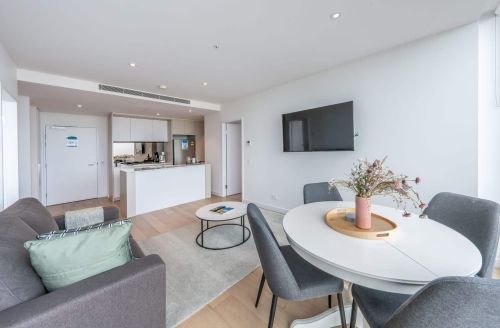
Business executive apartments are fully furnished residences designed specifically for professionals who need a comfortable, ready-to-live-in home for an extended period. These apartments are created with business travelers, executives, consultants, and relocating employees in mind—people who want more than a temporary place to sleep, but don’t want the commitment or hassle of a long-term lease.
Unlike unfurnished apartments, everything is set up from day one. Furniture, a fully equipped kitchen, dedicated workspaces, high-speed internet, utilities, and often housekeeping services are included. The goal is simple: allow professionals to focus on their work and daily life without worrying about setting up a home. These apartments feel residential, but they operate with the efficiency and consistency expected in a professional setting.
How they differ from hotels and standard furnished rentals
While hotels are convenient for short trips, they are rarely ideal for longer stays. Hotel rooms are limited in space, lack full kitchens, and can feel impersonal over time. Costs also add up quickly when staying for weeks or months, especially when dining out daily and paying nightly rates.
Standard furnished rentals, on the other hand, often fall somewhere in between. They may include basic furniture, but they are usually designed for casual or personal use rather than business needs. Services like regular cleaning, maintenance support, and business-grade internet may be inconsistent or completely absent.
Business executive apartments bridge this gap. They offer the space and comfort of an apartment with the reliability, service standards, and flexibility professionals expect. Layouts are typically larger than hotel rooms, kitchens are fully functional, and leases are structured to support corporate stays—making them a practical and cost-effective alternative.
Typical length of stay and target occupants
Business executive apartments are intended for medium- to long-term stays, most commonly ranging from 30 days to six months, though some guests stay longer depending on their assignment. This makes them ideal for project-based work, temporary relocations, executive transfers, training programs, or extended business travel.
The typical occupants include corporate executives, project managers, consultants, engineers, healthcare professionals, and relocating families. Companies often choose these apartments to house employees because they provide a stable, home-like environment that supports productivity and well-being. For individuals, they offer privacy, routine, and comfort—key factors when living away from home for an extended time.
In short, business executive apartments are purpose-built for professionals who need flexibility, comfort, and functionality—all in one place.
3. Is Housekeeping Usually Included?
Short answer: Yes, housekeeping is often included—but not always, and not always in the way people expect.
This is one of the most common areas where guests and providers get crossed wires. Many people assume that because a place is furnished or labeled as “corporate housing,” housekeeping automatically works the same way it does in a hotel. In reality, the details matter.
The Direct Answer (Up Front)
In most corporate housing and higher-end furnished rentals, some level of housekeeping is typically included in the monthly rate. However, the frequency, depth, and scope of that service can vary widely. Some properties include regular cleanings as part of the package, while others offer housekeeping as an optional add-on or only provide it when specifically requested.
So yes—housekeeping is common, but it’s not universal, and it’s rarely unlimited.
What “Included,” “Optional,” and “On-Request” Really Mean
Included housekeeping usually means a scheduled service—often weekly, biweekly, or monthly—covered in the rent. This typically involves basic cleaning: vacuuming, mopping, bathroom and kitchen cleaning, trash removal, and light tidying. It’s designed to maintain the space, not reset it daily like a hotel room.
Optional housekeeping means cleaning services are available, but at an extra cost. Guests can choose how often they want service and pay per visit or per month. This option is common in furnished rentals that cater to longer stays or budget-conscious guests who don’t need frequent cleaning.
On-request housekeeping falls somewhere in between. Cleaning isn’t scheduled automatically, but if a guest asks for it, the provider can arrange it—sometimes included once per month, sometimes billed separately. This model works well for guests who value flexibility and privacy.
Why Assumptions Lead to Misunderstandings
Most misunderstandings happen because guests don’t ask and providers don’t clarify. A guest might assume weekly cleaning is standard, while the property considers monthly service sufficient. Others may expect linen changes, dishwashing, or restocking supplies—services that are rarely included unless clearly stated.
The term “housekeeping included” sounds simple, but without details, it leaves room for disappointment. The smartest approach is to confirm the frequency, what’s cleaned, and whether extra services cost more—before move-in, not after.
When expectations are aligned, housekeeping becomes a convenience. When they’re not, it becomes a frustration.
4. Standard Housekeeping Services You Can Expect
Housekeeping is one of the biggest factors that separates a comfortable stay from a stressful one. While services can vary by provider, most professionally managed furnished rentals and corporate housing follow similar housekeeping standards. Here’s what you can generally expect.
4.1 Cleaning Frequency
Weekly Cleaning
Weekly housekeeping is the most common option for mid- to long-term stays. This schedule keeps the home consistently clean without being intrusive. It’s ideal for professionals, families, and relocating guests who want a well-maintained space but don’t need daily service. Weekly cleaning usually includes all common living areas, bathrooms, and light kitchen cleaning.
Bi-weekly Cleaning
Bi-weekly (every two weeks) cleaning is often offered at a lower cost or as a customizable option. This works well for guests who are tidy, spend limited time at home, or prefer more privacy. While the frequency is reduced, the scope of cleaning during each visit is usually similar to weekly service.
Limited vs. Full Service
Limited service typically focuses on high-use areas like bathrooms, floors, and trash removal. Full service is more comprehensive and includes dusting, surface cleaning throughout the home, and linen refresh. The level of service is usually outlined in your agreement, so there are no surprises.
4.2 What’s Typically Covered
Living Areas
Housekeepers generally dust visible surfaces, wipe tables, clean floors (vacuuming or mopping), and straighten up common spaces. This keeps the home feeling fresh and professional without disturbing personal belongings.
Kitchen (Surface Cleaning vs. Deep Cleaning)
Standard kitchen cleaning includes wiping countertops, cleaning the sink, and cleaning exterior surfaces of appliances. Deep cleaning—such as scrubbing inside ovens, refrigerators, or cabinets—is usually not included unless specifically requested.
Bathrooms
Bathrooms receive special attention. Expect cleaning and sanitizing of sinks, toilets, showers, tubs, mirrors, and floors. This is one of the most consistently covered areas in any housekeeping plan.
Trash Removal
Trash is typically collected from kitchen and bathroom bins and taken to designated disposal areas during each cleaning visit.
Bed Linen Refresh
Most full-service plans include changing bed linens and towels on a scheduled basis, often weekly or bi-weekly, helping maintain hotel-like comfort.
4.3 What’s Usually Not Included
Daily Cleaning
Unlike hotels, daily housekeeping is rarely standard in furnished rentals or corporate housing unless arranged separately.
Personal Laundry
Washing personal clothing is almost never included. Guests are expected to use in-unit or on-site laundry facilities.
Dishwashing
Housekeeping may wipe surfaces, but washing accumulated dishes is typically the guest’s responsibility.
Deep or Move-Out Cleaning
Deep cleans or move-out cleaning are usually separate services unless clearly stated in your agreement.
5. How Housekeeping Varies by Stay Type
Housekeeping is one of the biggest differences between short-term and long-term executive stays. While both prioritize comfort and cleanliness, the frequency, style, and purpose of service change based on how long someone is living in the space. Understanding these differences helps set the right expectations and ensures the stay feels supportive rather than intrusive.
5.1 Short-Term Executive Assignments (30–60 days)
For short-term executive assignments, housekeeping tends to follow a hospitality-style model. These stays are often fast-paced, with executives juggling intense workloads, frequent meetings, and travel. As a result, convenience and consistency are key.
Housekeeping service is typically more frequent, often provided weekly or even multiple times per week. The goal is to keep the home looking and feeling polished at all times, much like a high-end hotel—but with the added comfort of a private residence. Services usually include full cleaning of kitchens and bathrooms, floor care, bed linen changes, towel replacement, and trash removal.
Because the stay is relatively brief, executives usually prefer not to spend time managing household tasks. Regular housekeeping removes that burden and allows them to focus fully on work and rest. There’s also a strong emphasis on presentation. Whether the executive is hosting a colleague for a quick meeting or simply returning late after a long day, the space feels fresh, organized, and ready.
Another defining feature of short-term stays is predictability. Housekeeping schedules are clearly defined, professionally managed, and aligned with hospitality standards. Communication is minimal and efficient—guests know when service will occur and what it includes, without needing to make frequent requests.
Overall, for 30–60 day assignments, housekeeping is designed to deliver a seamless, hotel-like experience that supports productivity, reduces stress, and maintains a consistently high standard of living.
5.2 Long-Term Executive Stays (60–180+ days)
Long-term executive stays shift the focus from hospitality to residential living. When someone stays for several months, the property becomes more than temporary accommodation—it starts to feel like home. Housekeeping reflects that change.
Service frequency is usually reduced, often bi-weekly or monthly, rather than weekly. This approach respects the executive’s growing sense of ownership over the space. Many long-term guests prefer to manage light day-to-day cleaning themselves and use professional housekeeping for deeper, scheduled maintenance.
Privacy becomes a top priority. Executives on extended assignments often settle into routines, work unusual hours, or travel intermittently. Less frequent housekeeping minimizes disruptions and gives residents more control over their environment. Instead of fixed schedules, service is often more flexible and customizable, arranged around the guest’s preferences.
The emphasis also shifts toward independence. Long-term residents may request housekeeping only when needed—such as before or after extended travel, seasonal deep cleaning, or linen refreshes. This tailored approach feels less like a service being imposed and more like support that’s available on demand.
In essence, housekeeping for long-term stays is about balance. It maintains cleanliness and comfort without interfering with daily life. The result is a living experience that feels personal, respectful, and well-suited to executives who are truly settling in rather than just passing through.
6.Why Executive Apartments Handle Housekeeping Differently Than Hotels
Designed for Living, Not Nightly Turnover
Executive apartments are created for people who are actually living in the space, not just passing through for a night or two. Unlike hotels, which are built around constant guest turnover, executive apartments are set up to feel like real homes. Guests cook their own meals, work from the dining table, store personal items in closets, and settle into daily routines. Because of this, housekeeping isn’t designed to reset the space every day. Instead of daily room refreshes, cleaning schedules are more thoughtful and less intrusive—focused on maintaining comfort over time rather than preparing the unit for the next guest. This approach helps the apartment feel stable, familiar, and lived-in, which is exactly what long-term guests want.
A Balance Between Service and Privacy
One of the biggest differences in housekeeping philosophy is the balance between service and privacy. Hotel guests usually expect daily cleaning, fresh towels, and someone entering the room regularly. Executive apartment residents, however, often value privacy more than constant service. Many are executives, consultants, medical professionals, or relocating families who work long hours and prefer not to have interruptions. Housekeeping is usually scheduled weekly or bi-weekly, often at a time agreed upon in advance. This way, residents still receive professional cleaning support without feeling like their personal space is being invaded. The result is a more respectful, adult living experience that aligns with long-term stays.
Cost Efficiency for Extended Stays
Daily hotel housekeeping makes sense for short stays, but over weeks or months, it becomes inefficient and expensive. Executive apartments take a smarter approach by reducing unnecessary daily services. Fewer cleanings lower operational costs, which helps keep monthly rates more affordable for guests and corporate clients. At the same time, the quality of cleaning remains high—just less frequent and more practical. This cost-efficient model benefits everyone: guests pay less than hotel rates, companies control housing budgets more effectively, and operators can focus on delivering value instead of volume-based services.
Professional Schedules and Personal Space
Most people staying in executive apartments have demanding schedules. Early meetings, late nights, travel days, and remote work are common. Flexible housekeeping respects this reality. Instead of fixed daily schedules, cleaning is planned around the resident’s availability, minimizing disruption. Guests can work, rest, or travel without worrying about unexpected knocks on the door. This level of control over personal space makes executive apartments feel less like temporary accommodation and more like a true home—comfortable, predictable, and designed to support real life rather than hotel routines.
7. Common Misconceptions About Housekeeping
“Fully furnished” doesn’t mean “daily service”
One of the most common misunderstandings in corporate and executive housing is the assumption that fully furnished automatically includes daily housekeeping. In reality, these are two very different things. A fully furnished home simply means the space is move-in ready—it comes equipped with furniture, kitchenware, appliances, linens, and basic household essentials. It does not mean someone will be stopping by every day to make the bed, wash dishes, or clean the bathroom.
This misconception often comes from comparing furnished housing to hotels. Hotels are designed around short stays, high turnover, and daily service. Furnished apartments and corporate housing, on the other hand, are designed for longer stays and independent living. Guests are expected to treat the space more like a home than a hotel room.
Most furnished housing providers include scheduled or optional housekeeping, such as weekly, bi-weekly, or monthly cleaning. Some offer housekeeping as an add-on service rather than a standard inclusion. This approach helps keep costs predictable and affordable for longer stays while still allowing flexibility for guests who want additional support.
Understanding this distinction upfront avoids frustration later. Before booking, it’s always smart to ask what level of housekeeping is included, what costs extra, and how services are scheduled. Knowing the difference between “furnished” and “serviced” helps set realistic expectations and ensures the housing choice truly matches your lifestyle and needs.
Executive ≠ luxury hotel model
Another widespread myth is that “executive housing” operates like a luxury hotel. While executive housing is often high-quality and professionally managed, it doesn’t follow the same service model as a five-star hotel. The word executive refers more to the target guest—business professionals, executives, project leaders, and relocating employees—rather than nonstop concierge-style services.
Executive housing prioritizes space, privacy, and functionality. You get separate living areas, a full kitchen, in-unit laundry, and a quieter residential environment—things hotels often can’t offer. What you usually don’t get is daily room service, turndown service, or 24/7 housekeeping on standby.
This difference is intentional. Many executives staying for weeks or months prefer autonomy over constant service interruptions. They value comfort, consistency, and a home-like routine rather than a hospitality-driven experience. The trade-off is fewer daily services but significantly more living space and flexibility.
Seeing executive housing as “luxury living” rather than a “luxury hotel” helps align expectations. It’s premium in quality and convenience—but designed for long-term living, not short-term indulgence.
Housekeeping policies are not universal
One final misconception is assuming that housekeeping rules are the same everywhere. In reality, housekeeping policies vary widely depending on the provider, location, length of stay, and even local regulations. There is no universal standard.
Some properties include weekly cleaning as part of the rent. Others provide only move-in and move-out cleaning, with optional services in between. Certain providers adjust housekeeping frequency based on stay length—shorter stays may include more frequent cleaning, while longer stays offer fewer scheduled visits unless requested.
Guest preferences also play a role. Some residents prefer minimal intrusion and handle cleaning themselves, while others want regular professional service. Good housing providers build flexibility into their policies to accommodate both.
The key takeaway is simple: never assume. Always review the housekeeping terms before booking and ask direct questions if anything is unclear. Understanding the specific policy helps avoid surprises and ensures a smoother, more comfortable stay from day one.
8. Questions Executives Should Ask Before Booking
Before confirming a corporate housing stay, executives should look beyond location and price and ask detailed questions about housekeeping. Cleaning services directly affect comfort, productivity, and the overall living experience—especially during extended stays. Use the checklist below to make sure there are no surprises after move-in.
Is housekeeping included or optional?
This should be your first question. Some corporate housing providers include housekeeping as part of the monthly rate, while others treat it as an add-on service. If it’s optional, clarify whether opting out reduces the rent or if housekeeping is simply billed separately. What looks like a lower nightly rate can quickly become more expensive once cleaning fees are added. Executives should confirm this upfront to accurately compare housing options and avoid hidden costs.
How often is service provided?
Housekeeping frequency varies widely. Some properties offer weekly service, others biweekly, and some only provide cleaning at move-in and move-out. For busy executives or relocating families, weekly service is often ideal, while project-based travelers may prefer less frequent visits. Make sure the standard schedule matches your expectations—and your lifestyle.
What areas are cleaned?
Not all housekeeping is created equal. Ask for a clear breakdown of what’s included during each visit. Does cleaning cover kitchens and bathrooms only, or are living rooms and bedrooms included as well? Are appliances, countertops, and floors part of the service? Knowing exactly what gets cleaned helps set realistic expectations and prevents misunderstandings later.
Are linens and towels refreshed?
Fresh linens are a small detail that makes a big difference. Some corporate housing providers automatically replace bed sheets and towels during each housekeeping visit, while others require an extra fee or don’t offer linen service at all. Executives accustomed to hotel-level convenience should confirm whether this is included—or plan accordingly.
Can frequency be adjusted?
Flexibility matters, especially for longer stays. Ask whether you can increase or decrease housekeeping frequency during your stay if your needs change. A good corporate housing provider should allow adjustments without penalty, offering a more personalized experience than rigid hotel policies.
Is move-out cleaning included?
Finally, clarify move-out expectations. Some properties include professional move-out cleaning in the lease, while others charge a separate fee or deduct it from the security deposit. Knowing this in advance helps avoid last-minute disputes and ensures a smooth departure.
9. Benefits of Included Housekeeping for Executives
Time Savings
For executives on relocation or extended assignments, time is the most valuable resource. Included housekeeping removes everyday tasks like cleaning, vacuuming, changing linens, and sanitizing kitchens and bathrooms from the to-do list. Instead of spending evenings or weekends managing household chores, executives can fully focus on work priorities, travel recovery, or strategic planning. Even small tasks add up over time, and eliminating them creates extra hours each week that can be reinvested into high-impact professional or personal activities.
Reduced Stress
Relocation already comes with enough pressure—new responsibilities, unfamiliar surroundings, and demanding schedules. Knowing that the living space is consistently cleaned and maintained provides peace of mind. Executives don’t have to worry about arranging cleaning services, supervising vendors, or handling last-minute issues. Walking into a fresh, organized home after a long workday creates a sense of calm and stability, which directly supports mental well-being during high-pressure assignments.
Professional Living Standards
Included housekeeping ensures that the residence always reflects executive-level living standards. Regular professional cleaning keeps the home polished, presentable, and ready for unexpected meetings, colleagues, or guests. This is especially important for executives who may host informal business discussions or virtual meetings from their residence. A consistently well-maintained space reinforces a professional image and supports confidence, comfort, and productivity.
Health and Hygiene Consistency
Routine housekeeping plays a critical role in maintaining health and hygiene, especially during long stays. Professional cleaners follow consistent sanitation protocols that reduce dust, allergens, and bacteria buildup. Clean kitchens and bathrooms lower health risks, while fresh linens and properly cleaned surfaces contribute to overall wellness. For executives balancing demanding schedules, this consistency supports better sleep, fewer disruptions, and a healthier daily environment without extra effort.
Better Work-Life Balance During Relocation
Relocation often blurs the line between work and personal life. Included housekeeping helps restore balance by freeing executives from domestic responsibilities. Evenings can be spent relaxing, exercising, or connecting with family instead of managing chores. This balance is essential for preventing burnout and maintaining long-term performance. A clean, well-managed home allows executives to truly disconnect when needed, making relocation feel less temporary and more livable.
10. When It Makes Sense to Request Additional Service
Not every stay requires extra services—but in certain situations, adding a little more support can dramatically improve comfort, productivity, and peace of mind. Below are common scenarios where requesting additional services truly makes sense and delivers real value.
High-Intensity Work Schedules
When your days are packed with long meetings, tight deadlines, or physically demanding work, time becomes your most limited resource. In these situations, additional services like more frequent housekeeping, linen changes, or grocery stocking can remove daily distractions and mental load. Instead of worrying about chores after a 12-hour workday, you can focus on rest and recovery. For professionals on critical projects, film crews, healthcare staff, or executives on compressed schedules, these services aren’t luxuries—they’re productivity tools that help prevent burnout and keep performance high.
Hosting Business Guests
If you’re hosting clients, colleagues, or senior leadership during your stay, presentation matters. Additional services such as professional cleaning, fresh towels, restocked essentials, or even mid-stay deep cleaning ensure your space is always guest-ready. This creates a polished, hotel-level impression while maintaining the comfort of a private residence. It also removes last-minute stress before meetings or dinners. When business relationships are on the line, having a well-maintained, welcoming environment can subtly reinforce professionalism and credibility.
Longer Stays
The longer you stay, the more daily living starts to feel like real life—not a short trip. For extended stays of several weeks or months, requesting recurring housekeeping, maintenance check-ins, or laundry services helps maintain consistency and comfort over time. Small issues are addressed before they become problems, and your living space stays fresh and functional. Over long stays, these services often feel less like “extras” and more like part of a sustainable routine that supports well-being and convenience.
Family or Dual-Occupancy Scenarios
When more than one person shares the space—especially families—wear and tear increases quickly. More people mean more laundry, more cleaning, and more organization needs. Additional services can help keep the home comfortable and orderly without adding stress. For families relocating, couples working different schedules, or parents balancing work and children, these services free up valuable time and reduce friction. The result is a smoother, more enjoyable living experience for everyone involved.
11. Final Verdict: What to Expect Realistically
Clear summary answer
So, what should you realistically expect when it comes to housekeeping in executive apartments? The short answer is: yes, housekeeping is usually available—but it’s not one-size-fits-all. Executive apartments are designed for longer stays and professional lifestyles, which means the service model sits somewhere between a hotel and a traditional rental. You’ll get more support than a standard furnished apartment, but not the daily, automatic services you’d expect from a hotel. The value lies in flexibility, privacy, and comfort rather than constant staff presence.
Housekeeping is common—but it varies
Housekeeping is a common feature in executive apartments, but how often it happens can vary widely. Some properties include weekly or bi-weekly cleaning as part of the rent, while others offer it as an optional add-on. Linens, towels, and basic cleaning are often included, but deep cleaning, dishwashing, or laundry services may come at an extra cost. The level of service often depends on the provider, the length of stay, and whether the apartment is positioned more toward corporate housing or upscale furnished rentals. This variation isn’t a drawback—it simply means guests can choose a setup that matches their lifestyle and budget.
Why confirming details upfront matters
One of the most important steps before booking is confirming exactly what’s included. Don’t assume housekeeping frequency, supply restocking, or maintenance response times. Ask clear questions upfront: How often is cleaning provided? What does it cover? Is there flexibility to adjust the schedule? Getting clarity early prevents misunderstandings and ensures your expectations match the reality of the stay. For business travelers and relocating professionals, this transparency can make a big difference in day-to-day comfort.
Executive apartments: the balanced choice
Executive apartments strike a smart balance between hotel-style convenience and residential independence. You get the comfort of a private home, the space to live and work, and access to services when you need them—without the constant interruptions or higher costs of hotels. For extended stays, this balance is exactly what makes executive apartments appealing: enough service to make life easier, enough privacy to feel truly settled. When chosen carefully and with the right expectations, they offer a realistic, comfortable, and highly practical living solution.
Contact Izeal Stay today to discuss your housing needs.